
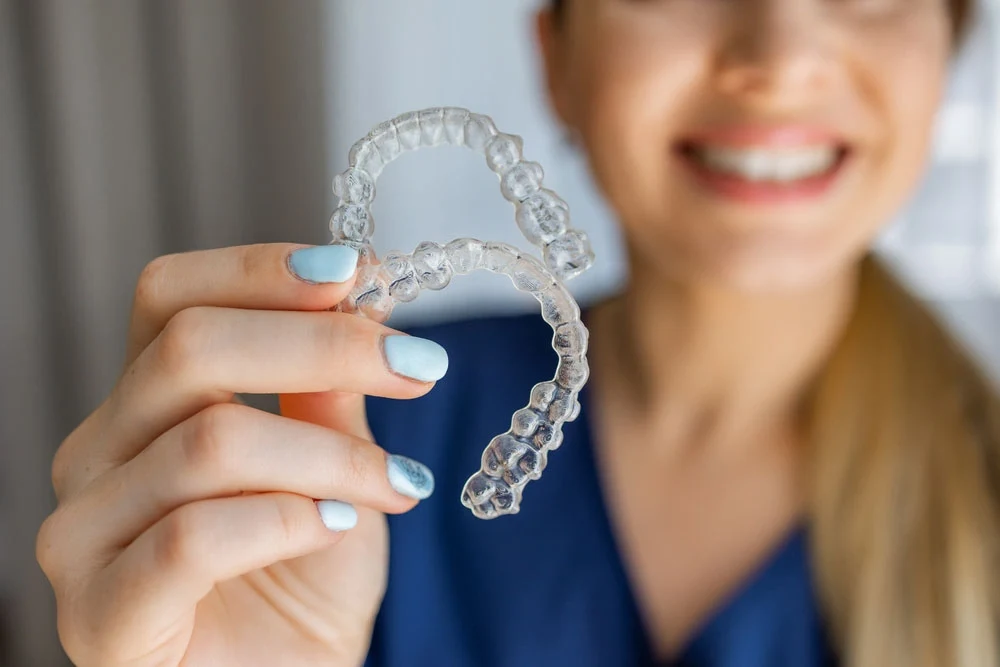
Invisalign offers a discreet way to straighten crowded, spaced, or misaligned teeth without traditional metal braces. But choosing clear aligners involves more than appearance. You’ll also want to know how treatment fits your routine, what it requires, and whether it’s right for your smile.
At Contemporary Dentistry - Manassas, we help patients in Manassas, VA, explore their options with a thorough exam and a conversation about their goals. Our team considers your bite, dental health, and daily habits before recommending a treatment plan. Invisalign can help with many alignment concerns, but it isn’t the right solution for everyone. Understanding the benefits and limitations gives you a practical starting point.
What Dental Problems Can Invisalign Fix?
Invisalign uses a series of custom-made, removable clear aligners to gradually move your teeth into better positions. Each set applies controlled pressure to guide specific tooth movements over time.
Depending on your dental needs, Invisalign may help address:
- Crowded teeth: Teeth that overlap or don’t have enough room to align properly.
- Gaps between teeth: Spaces that affect the appearance or alignment of your smile.
- Certain bite problems: Alignment issues involving how your upper and lower teeth meet.
The benefits can extend beyond appearance. Straighter teeth may be easier to brush and floss, especially when overlapping teeth create hard-to-reach areas.
However, Invisalign cannot correct every orthodontic concern on its own. Some complex tooth movements or bite problems may require traditional braces or additional dental treatment. An exam helps determine whether clear aligners can address your specific needs.
Invisalign vs. Braces: What’s the Difference?
Both Invisalign and traditional braces can improve tooth alignment, but they work differently.
Traditional braces use brackets and wires that remain attached to your teeth throughout treatment. Invisalign uses removable, nearly transparent trays that fit over your teeth.
Clear aligners offer several practical advantages. You can remove them for meals, continue eating your usual foods, and brush and floss without working around brackets or wires. Many patients also appreciate their subtle appearance.
The tradeoff is responsibility. Because Invisalign aligners are removable, successful treatment depends heavily on wearing them consistently.
Traditional braces may be better suited for certain complex alignment or bite concerns. Neither option is automatically better for every patient. Your dentist can explain which approach makes sense based on your teeth, bite, and treatment goals.
Can You Eat Normally With Invisalign?
Yes. Because Invisalign aligners are removable, you can generally continue enjoying your usual foods throughout treatment.
Remove your trays before eating or drinking anything other than plain water. After meals, clean your teeth before putting the aligners back in. This helps prevent food particles and sugary residue from becoming trapped against your teeth.
Most patients need to wear their Invisalign aligners for approximately 20–22 hours each day, although your dentist will provide instructions specific to your treatment.
That means your daily routine matters. Long meals, frequent snacks, and forgetting to replace your trays can reduce your wear time and affect your progress.
Consider how these habits fit your workday, school schedule, or social activities. Keeping an aligner case nearby can also help you avoid losing or accidentally throwing away your trays.
Invisalign offers flexibility, but maintaining a consistent routine is essential.
What Happens at an Invisalign Consultation?
Your first Invisalign visit helps determine whether clear aligners are appropriate for your smile.
At Contemporary Dentistry - Manassas, we begin by examining your teeth, gums, and bite. We also review your dental and health history and discuss what you’d like to change.
If you have untreated cavities or active gum disease, those concerns may need attention before orthodontic treatment begins.
Treatment planning may involve photographs, digital scans or impressions, and X-rays when appropriate. Digital planning software can help illustrate proposed tooth movements and guide the aligner treatment process.
Although a digital preview can help you understand the intended result, it isn’t a guarantee of how your teeth will respond.
Our practice includes Dr. Diego Morales, Dr. Daniela Morales, and Dr. Manasi Supekar. Whether you’re concerned about appearance, treatment time, or previous orthodontic work, our team welcomes your questions.
The goal is to help you understand your options and what the recommended treatment would involve before you make a decision.
What Is Invisalign Treatment Like?
Once your custom aligners are ready, we’ll check their fit and explain how to insert, remove, and care for them.
You’ll wear each set of trays according to your prescribed schedule, gradually progressing through your treatment plan.
Some patients also need small, tooth-colored attachments placed on certain teeth. These attachments help aligners apply pressure more effectively during specific movements. While discreet, they may be visible when you smile.
As you adjust to your aligners, you may experience:
- Mild pressure or tenderness: Your teeth may feel sensitive when you begin treatment or switch to a new set of trays.
- Temporary speech changes: Your speech may sound slightly different until your tongue adjusts.
- Regular progress checks: Follow-up appointments allow your dental team to evaluate tooth movement and aligner fit.
Follow your dentist’s instructions when changing trays rather than moving ahead on your own.
How Long Does Invisalign Treatment Take?
Invisalign treatment time varies depending on your individual needs. The complexity of your alignment concerns, the amount of tooth movement required, and how consistently you wear your trays can all influence your timeline.
Some patients also need additional aligners to refine tooth positions as treatment progresses.
Your dentist can provide a more personalized estimate after evaluating your teeth and developing a proposed treatment plan. If you experience persistent pain or an aligner doesn’t fit properly, contact the office for guidance.
How Do You Care for Invisalign Aligners?
Proper aligner care helps keep your trays clean and supports your dental health throughout treatment.
Clean your aligners daily using the method your dentist recommends. Avoid hot water because high temperatures can warp the plastic and affect how the trays fit.
Continue brushing twice daily with fluoride toothpaste and flossing every day. Since aligners cover your teeth for much of the day, removing food debris and sugary residue before reinserting them is especially important.
Regular dental exams and professional cleanings also remain necessary during Invisalign treatment. Orthodontic progress appointments don’t replace routine preventive care.
Will You Need Retainers After Invisalign?
Yes. After active treatment, retainers help maintain your new tooth positions.
Teeth can gradually shift over time, even after successful orthodontic treatment. Wearing your retainers according to your dentist’s instructions helps reduce unwanted movement.
Your dental team will explain the recommended retainer schedule based on your needs.
Think of retention as an ongoing part of maintaining your results rather than an optional final step. Establishing a manageable routine can help protect the progress you’ve made.
Frequently Asked Questions About Invisalign
How many hours a day should you wear Invisalign?
Most patients need to wear Invisalign aligners for approximately 20–22 hours per day. Remove them for meals, drinks other than plain water, and cleaning. Consistent wear helps keep treatment progressing as planned.
Does Invisalign hurt?
Invisalign may cause mild pressure or tenderness, especially when you begin treatment or switch to a new set of aligners. This discomfort is typically temporary as your teeth adjust. Contact your dentist if pain persists or becomes significant.
Is Invisalign right for everyone?
No. Invisalign can treat many common alignment concerns, but some complex bite problems or tooth movements may require traditional braces or other treatment. A dental exam helps determine whether clear aligners are suitable for your needs.
Schedule an Invisalign Consultation in Manassas, VA
If you’re considering Invisalign in Manassas, VA, start with a dental exam and a conversation about your goals.
At Contemporary Dentistry - Manassas, we take the time to evaluate your teeth, discuss your concerns, and explain your treatment options. Whether you want to address crowding, close gaps, or improve your bite, our team can help you understand what clear aligner treatment may accomplish.
A straighter smile is important, but so are healthy teeth, comfortable function, and a treatment plan you can realistically maintain.
Contact our team today to schedule your Invisalign consultation. Visit contemporarydentistrymn.com for office information and take the next step toward a healthier, more confident smile.